
Sitting in Silence
Meditation?

I prefer not to call my practice of ‘just sitting in silence doing nothing’ meditation. I don’t want to commit to a specific technique or to any goal that this term might imply—not even the goal of staying attentive and present. I just want to take some time away from the world and from screens, without falling asleep.
What I do is sit in a posture similar to meditation: my legs in a half-lotus position, with a small, thin cushion supporting the space between my coccyx and the ground, helping me keep my spine upright. My head is aligned with my body, my chin slightly tucked, and my eyes closed.
This upright posture helps prevent me from falling asleep. Sometimes, when drowsiness arises, I wobble and wake up, but generally, if I’m not already somewhat sleepy, I don’t feel sleepy during the practice.
The hands rest on the thighs, facing upward, with the tips of the index fingers lightly touching the thumbs (Jnana Mudra), or they remain centered, as in Zen, with one hand resting on the other and the tips of the thumbs gently touching (Dhyana Mudra).
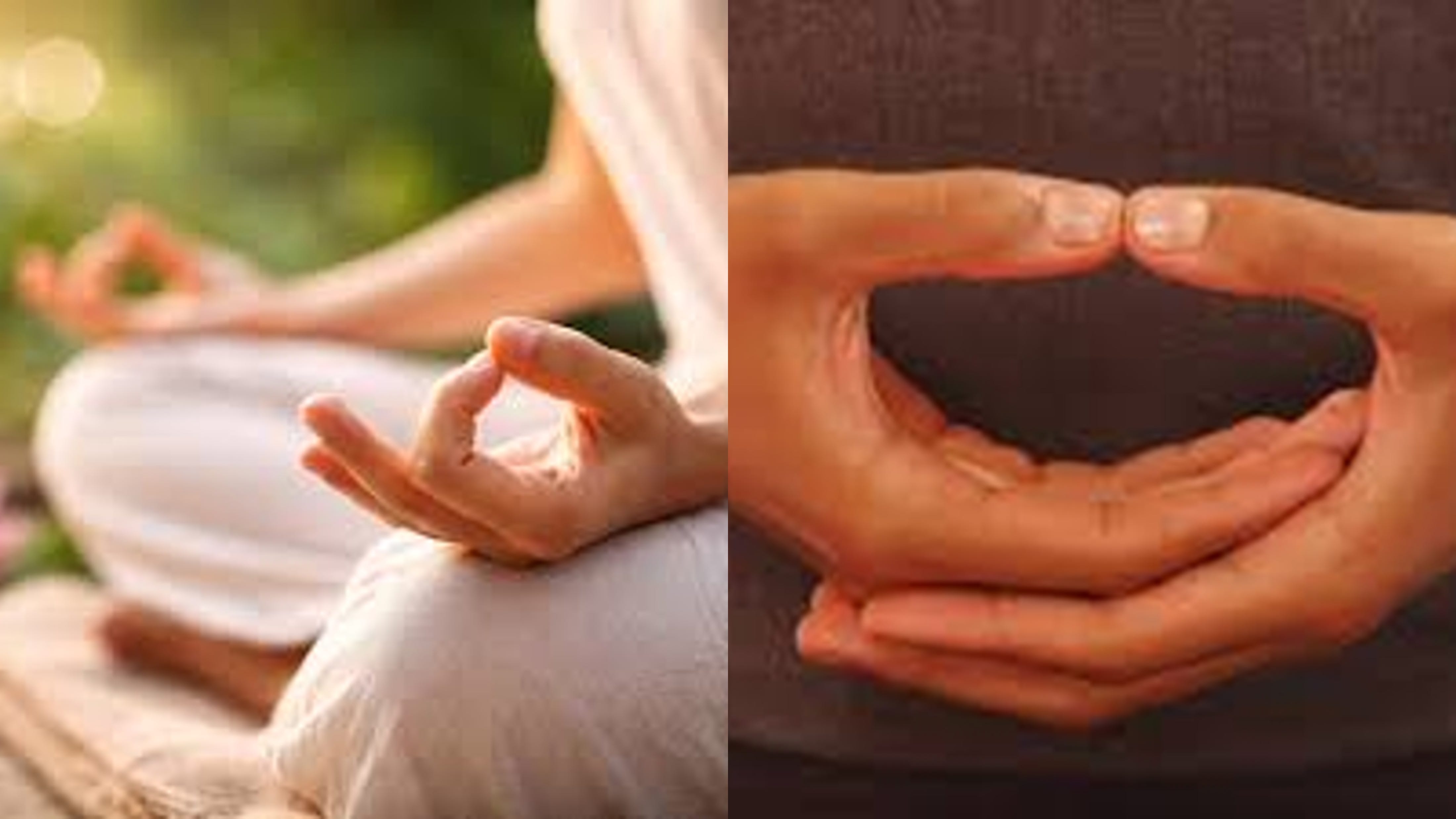
I notice that the position of the hands makes a difference: in the first, I feel more open; in the second, more centered. I say this not only in terms of physical posture, but of internal attitude—more open internally, with a broader breathing; more centered internally, with a more focused breathing.
From that point on, nothing else is done deliberately: no breathing technique, no directing of attention, no concentration exercise, no mantra or visualization, no attempt to stop thoughts.
(Paying attention to my breathing makes me feel suffocated, and I’ve never been able to observe it without changing it. Even though I practiced Buddhism for quite a long time and was an aspiring monk.)
I simply remain there, without tracking time (although I usually stay between 30 and 50 minutes). Even though I feel like I could stay longer, I decide that I should stop at some point.
If someone asks whether I think about anything, I would say yes and no. I don’t think about anything specific, but thoughts happen. Sometimes I get distracted by them, sometimes I “wake up” from that distraction—all spontaneously, without effort.
If the body starts to feel pain, or if a thought creates an impulse in the body to leave that position, I bring to mind a comfortable memory that draws my attention; then these things dissipate. In this way, I can remain longer, without responding to the pain and to the waves of impulse that would pull me out of it.
After stabilizing the posture, forgetting the pain, and not responding to the impulse, I let go of the thought again.
If I remain long enough—which may be longer or shorter—moments of absence of thoughts arise, but with clear awareness. It is like a process of decantation: a glass of water clouded with particles that, when left undisturbed, allows them to settle at the bottom, leaving the water clear and transparent. Perhaps if I were lying down, I would fall asleep and not reach this point.
However, often, upon noticing this state, thoughts return.
This practice does not seek to fix a single state or to anchor itself in anything. It is movement: of thought and non-thought, of impulse and non-impulse, of attention and distraction, of consciousness and non-consciousness—while quietly maintaining, in the background, a sense that being conscious and attentive is, in this case, more interesting.
In fact, I wouldn’t even say that it is properly a practice, beyond simply sitting in silence.
I think this may resemble the Zen practice of shikantaza, but I’m not sure. I have the impression that, in that practice, being alert, present, and aware is central.
For this reason, I do not name what I do as meditation. It is simply my way of being awake, of taking a break from the world and from screens—doing nothing, resting in a static position of the body and in the natural movement of its interior and of the mind.
Perhaps what is facilitating this is that my body has become less reactive to my thoughts; it no longer responds to what the mind produces with immediate impulses.
I think this is why I’ve been able to maintain a slight distance between consciousness—the sense of presence or witnessing that sees and hears thoughts—and thoughts themselves—their content and the sense of agency that produces them.
A thought of my favorite food can even occur to me without my body reacting with the need to have it at that moment. Similarly, I can have an idea without feeling the pressure to get up and write it down… although I have to admit I did exactly that while writing this. 😄
**
At times, I sit in silence (meditate) every day; at others, I go for long stretches without any formal practice. Still, regardless of that, I maintain an ongoing observation of my sensations and emotions.
Do you meditate or do something similar? What is your practice like? How do you deal with its difficulties? Have you ever had any insights from it?
Very interesting article...I love meditation as well...
I have started liking meditation